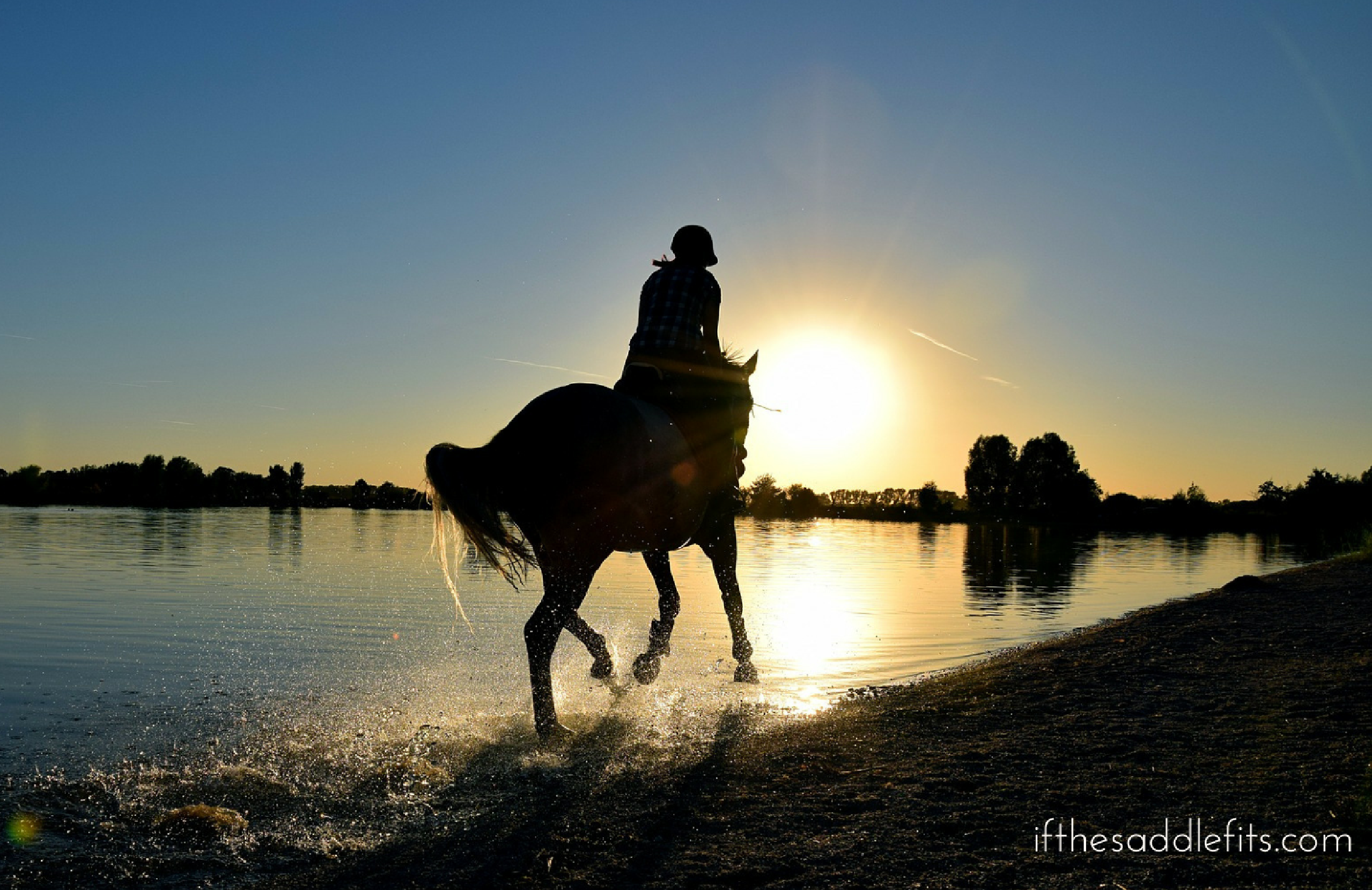
Year of Riding
It is natural to think about goals around the new year. Whatever our personal circumstances, it is an ending and a beginning. Transitions, big and small, encourage reflecting on what we’ve accomplished (or not) and dreaming about what could be.
I love to plan. That extends easily to goal setting and the whole process. I enjoy coming up with a new finish line, marking out the mileposts and creating a plan to make it happen.

I’m not quire as fond of the sometimes-mucky-feeling slog that it takes to make it to those finish lines. It’s not that mind hard work, but I do get quite easily distracted.
Oh, let’s try that exercise on shoulder-in from Youtube!
The weather is so nice, a hack in the hayfield is perfect.
Ugh, that halt was messy. We should school halts today.
Shiny object syndrome – in blogging, riding, and daily life – is real for me. And that’s ok. I know that about myself and have strategies for managing it.
But, this year, when I was reflecting on 2020 I was struck by how the Stay At Home orders and forced simplification of my schedule allowed me to focus on the intentions I had set at the beginning of the year. December 2019 left me feeling tired – I’d been school board president, PTO VP, Elf suddenly had foot issues, we moved, had issues with our house, my kiddo’s school asked to skip him a grade and my husband was traveling constantly for work. By December, I was exhausted and spread thin. When the world shut down, my search for a positive spin brought me back to my work of the year (Savor) and my intention to focus on home.
But what comes next?
Adult Amateur Rider Reality
I am, happily, an adult amateur equestrian. I own one horse. I take lessons when I can, aim for a clinic 2-3 times a year and max out at 4ish shows a year.
My days are full of family, managing a home, work, attempting to maintain my sanity and trying to take care of myself, too. But, my riding matters. My goals may not include tackling new levels or making a national list, but I am committed to each ride impacting my horse positively. I want to learn more, add new skills to my dressage toolkit, keep Elf using his body as well as possible.
Those goals are important.
Along with all of the other drama, 2020 has seen a tidal wave of adult amateur discontent within the USEF-watching equestrian community. There was an attempt to change the amateur/professional rule to include those who are “social media influencers” (which was subsequently dropped). A massive PR fight started over whether the World Equestrian Center Ocala could host both USEF rated shows and non rated shows that offered competitive experiences to other shows. Along the way, there were conversations on social media and in barns across the country about what amateurs needed from the organizations “leading” the equestrian community and whether those needs were being filled.
For me?
I have to plan, juggle, hurry and treat my schedule like a tetris game to make it to the barn 4 days a week.
My budget, while healthy (something I’m especially grateful for after what so many have experienced this year), does not stretch to multiple $3k+ weeks on the show circuit. It takes planning and smart choices to consistently fit lessons and keep the “horse emergency fund” replenished for my one horse.
While I enjoy watching, learning from and cheering on our upper level riders, I choose my shows and spend my money based more on where I have a fun, safe experience. When I show, I want to be as comfortable as possible, enjoy hanging out with barn friends and revel in a little horse themed me time. I don’t particularly care who makes a team or which duo is headed to Europe to campaign this month.
Even as someone who has ridden, shown and owned horses for more than 35 years, this sport frequently feels unaccessible, unattainable and clique-ish. Moving every 2 or so years as a military family, I can tell you that it is universally challenging to navigate finding good barns & trainers, getting plugged in to local resources and joining the opportunities offered by local organizations. It takes time, effort and (often) stubborn persistance and a willingness to be seen as pushing your way in.
Equestrian Goal Setting
We start learning about SMART goal making in elementary school. But, as an adult, I’ve found that those lessons left out a really key piece of the puzzle.
Is the outcome something we can control?
I can ride, lesson, take my stirrups off my saddle and study my heart out. But, if I’ve set my goal around earning a specific ribbon, there are so many contributing factors that have nothing to do with me. Who else is showing? What if the judge hates horses with big white belly spots? What if Elf gets an abscess the day before the show my goal is based on?
Instead, when our goals focus on the things that we can control, meeting that goal is truly up to us.
And the one thing we can control? How we show up.
Year of Riding Challenge
“The Practice is a choice. With discipline it’s something we can always choose. The Practice is there for us whether or not we feel confident. Especially when we don’t feel confident.” ~Seth Godin
There is so much power in consistency.
In consistently showing up.
What would it look like if you had a whole year to make riding a priority? What would it feel like if you looked back on this date next year and could look at a list of riding accomplishments checked off? How would it change your self-talk when you swing a leg over if you had knocked out 365 days of forward progress?
We may not know exactly what 2021 will hold, but we can make a choice.
We can choose to make ourselves, and our riding goals, a priority. We can choose to focus on the puzzle pieces we can control, instead of defining success by outcomes we can’t.
What would happen if you committed to a Year of Riding?